Earning money before you turn 18 in the UK is completely legal, but the rules are different from those that apply to adults, and several popular earning platforms have minimum age requirements that catch young people out.
This guide covers exactly what UK students under 18 can legally do to earn money in 2026: the working-hour rules by age, which platforms accept under-18s, how the tax rules work (they are more straightforward than most people think), and the realistic earnings range for each option.
One thing to say upfront: being under 18 is not the barrier many assume. The income ceiling for under-18s is set by time availability, not legal restriction. A 16-year-old with good A-level subject knowledge and a free weekend afternoon can earn more per hour than many adults with full-time jobs.
For a broader view of all UK side hustle options, see our complete guide to UK side hustles.
What the Law Actually Says About Under-18s Working?

UK employment law draws a firm line between children of compulsory school age and young workers who have left school but are under 18. Understanding which category applies changes the rules significantly.
Compulsory School Age
In England, compulsory school age ends on the last Friday in June of the school year in which a young person turns 16. Until that date, a young person is legally a “child” for employment purposes, subject to the strictest working restrictions.
Despite this, children aged 13 and over can legally do certain types of “light work” within hours set by their local council. The definition of light work excludes anything industrial, dangerous, or that could harm health or development.
Young Workers (16–17)
Once past school leaving age, even if still in sixth form or college a young person is legally a “young worker.”
The Working Time Regulations 1998 apply specifically to this group:
- Maximum 8 hours per day
- Maximum 40 hours per week (cannot be opted out of, unlike adults)
- No work between midnight and 4am (with very limited exceptions)
- Minimum 30-minute rest break if working more than 4.5 hours
- Minimum 12 hours rest between shifts
- Minimum 48 hours of continuous rest per week
These limits apply across all jobs combined, not per employer. A 16-year-old working a Saturday shift at a café and tutoring two evenings a week must keep the total below 40 hours.
The Education Requirement Until 18
Under the Education and Skills Act 2008, all young people in England must remain in some form of education or training until their 18th birthday. This does not prevent them from working, but it means most under-18 side hustle options need to fit around school, college, or an apprenticeship.
The Three Age Categories: Under 13, 13–15, 16–17

Under 13
Very limited legal work options. A child under 13 cannot be employed in the UK in any conventional sense. The only exceptions are performance work (acting, modelling, music), which requires a local authority licence obtained by a parent or guardian.
For side hustles, the practical options are limited to activities that do not constitute employment, helping in a family business informally, for example. Online selling from a parent-supervised account may be possible on some platforms with parental consent.
13–15 (Still of Compulsory School Age)
Local council bylaws set the specific rules, but the national framework limits working to:
- No more than 2 hours on school days (after school)
- No more than 2 hours on Sundays
- No more than 5 hours on Saturdays (if under 15) or 8 hours (if 15)
- No work before 7am or after 7pm
- No work during school hours
These limits apply to employment. Self-employment through an online platform is treated differently. HMRC does not distinguish by age for self-employed income, and the £1,000 trading allowance applies from birth in theory. However, most platforms require users to be 18 to create an account, which is the practical limiting factor for this age group.
The most accessible earning options for 13–15-year-olds: babysitting (informal, within their neighbourhood), car washing for neighbours, dog walking for local families, and selling handmade items through a parent-supervised Etsy account.
16–17 (Young Workers)
The most practical age group for side hustles. The 40-hour weekly cap is generous enough to run a real side hustle alongside full-time education. The platform restrictions ease significantly. Vinted, Depop, and several tutoring platforms accept 16-year-olds.
Platform Age Requirements — the Ones That Matter
Many popular side hustle platforms require users to be 18. This catches people out more than the employment law rules do.
| Platform | Minimum Age | Notes |
|---|---|---|
| Vinted | 16 | Can sell clothing; HMRC reporting thresholds still apply |
| Depop | 13 (with parental consent) | Account created by parent for under-18s in practice |
| Etsy | 18 (or 13 with parent account) | Parents must own the account for under-18s |
| eBay | 18 | Under-18s cannot create their own account |
| Amazon Flex | 18 | Driving is not available under 18 |
| Deliveroo / Uber Eats | 18 | Vehicle-based delivery not available under 18 |
| Tutorful | 18 | Cannot create a tutor account under 18 |
| Superprof | 16 | One of the few tutoring platforms accessible at 16 |
| MyTutor | 18 for paid tutors | Age-verified at onboarding |
| Prolific (surveys) | 18 | Not available under 18 |
| Fiverr | 13 (with parental consent) | The parent must manage the account and payments |
| Upwork | 18 | Not available under 18 |
The practical takeaway: for 13–15-year-olds, the platform options are narrow without parental involvement. For 16–17-year-olds, Vinted, Superprof, and Depop are the most accessible, alongside direct word-of-mouth services.
The 8 Best Legal Side Hustles for Under-18s
1. Peer Tutoring (16–17)

Earnings: £12–£30/hour | Platform: Superprof, direct word-of-mouth | Age: 16+
For a 16 or 17-year-old who has just sat their GCSEs, the subjects are still fresh. GCSE-level tutoring by a recent student who remembers the mark schemes is genuinely valuable, and it commands £12–£25/hour through platforms like Superprof (which accepts tutors from 16).
A-level students tutoring GCSE subjects earn slightly more because the subject gap creates more perceived authority. Two sessions per weekend at £18/hour generate £144/month with minimal marketing effort beyond telling school friends and posting on a local Facebook community group.
One practical note: tutoring younger pupils is not regulated work in the NMC or Ofsted sense. However, if tutoring children under 16, parents will often ask informally whether a DBS check exists. Under-18 tutors typically cannot apply for an Enhanced DBS independently (the check is available from 16, but applications are normally made by an employer, not an individual). Be upfront about this; most parents of primary and lower secondary pupils are comfortable with a local 16-year-old tutor without a formal check.
2. Reselling on Vinted or Depop (16+)

Earnings: £50–£300/month | Platform: Vinted (16+), Depop (13+ with parental consent) | Age: 16+
Vinted accepts users aged 16. A 16-year-old can create their own account and sell clothing, shoes, and accessories. The HMRC platform reporting rules apply at the same thresholds regardless of age: 30 transactions or approximately £1,700 in sales in a calendar year triggers a report to HMRC.
The business model: source items at car boot sales, charity shops, or through family members’ donations, relist at a margin. A systematic sourcer spending two Saturday mornings per month can turn a £20 float into £150–£300/month.
The practical starting point: clear your own wardrobe first. The listing experience is the same whether you are selling your own items or sourcing stock, and you learn the platform mechanics risk-free.
3. Dog Walking and Pet Care (13+)

Earnings: £8–£15/hour, or £10–£20/night for pet sitting | Direct, local | Age: 13+
Dog walking is one of the most accessible earning options for under-18s because it operates entirely through local trust relationships rather than platform age gates. A 14-year-old with a reliable reputation in their street can earn £10–£12 for a 30-minute walk.
Starting: knock on doors, post on Nextdoor and local Facebook groups, and tell every neighbour who has a dog. One regular client per day, Monday–Friday, earns £50–£70/week for roughly 90 minutes of actual work.
Pet sitting (looking after pets while owners are away) typically pays £10–£20 per overnight stay and can be done from age 13 upwards with parental awareness. No platform required.
4. Babysitting (13+)

Earnings: £6–£12/hour | Direct, local | Age: 13+
Babysitting is one of the oldest under-18 side hustles and still one of the most reliable. Rates in 2026: £6–£8/hour in smaller towns, £9–£14/hour in London and major cities. It typically requires a personal referral; parents are unlikely to hire a babysitter they have not been introduced to.
Building a client base: ask parents of school friends, approach family friends, and make yourself known through your parents’ networks. A DBS check is not legally required for babysitting but is increasingly requested. Under-18s can request a Basic DBS check (which shows unspent convictions only) independently from age 16 via the gov.uk route.
5. Selling Handmade or Digital Products on Etsy (16+ via Parent Account, or 18 Independently)

Earnings: £30–£200/month once established | Etsy | Age: 16+ with parental involvement
Etsy’s official minimum age is 18 for independent account creation. However, a parent can own the account and operate it on behalf of their child, which is how many under-18 crafters legitimately sell on the platform. The parent takes legal and financial responsibility for the account.
Digital products, revision notes, study planners, and subject-specific flashcard sets are increasingly popular with students. A well-designed GCSE Biology revision pack at £3.99 that sells 50 times per month generates £200 with zero ongoing work once the product is listed.
6. Gardening and Outdoor Work (13+)
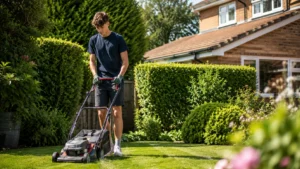
Earnings: £8–£15/hour | Direct, local | Age: 13+
Lawn mowing, hedge trimming, weeding, car washing, and general outdoor chores are consistently in demand from households and small businesses across the UK. For a 15-year-old with access to basic garden tools, one full Saturday of gardening work can earn £50–£80.
Starting: flyer your road, post on Nextdoor, and ask parents to mention it at work or to neighbours. This is cash-in-hand territory in most cases, remember, HMRC’s rules apply regardless of how you receive payment.
7. Selling at Car Boot Sales (13+)

Earnings: £20–£150/day | Direct, physical | Age: 13+ (with parent present, typically)
Car boot sales remain a reliable one-day earning event for teenagers. Selling unwanted items from home, or sourced stock, at a local car boot can generate £20–£150 depending on the quality and volume of stock.
Most car boot operators allow minors to trade informally alongside a parent or guardian. The earning is sporadic rather than regular, but the barrier to entry is zero.
8. Content Creation (16+ for Monetised Platforms)

Earnings: £0–£200/month | YouTube, TikTok | Age: 13+ to post, 16+ for YPP
YouTube requires creators to be at least 13 years old to have a channel. However, monetisation through the YouTube Partner Programme (YPP) requires the creator to be 18 (or to have a parent or guardian manage the AdSense account). A 16 or 17-year-old can create and grow a channel and have a parent set up the monetisation at 18.
TikTok’s Creator Rewards Programme requires users to be 18. Building an audience before 18 is the strategy the income follows once the threshold is crossed.
Realistic timeline: meaningful income from YouTube or TikTok takes 12–24 months of consistent posting. This is not a quick earn but a genuine long-term asset for a motivated teenager.
Tax Rules: The £1,000 Trading Allowance Applies From Any Age

There is no minimum age for paying tax in the UK. If a 14-year-old earns £1,200 gross from selling on Vinted and dog walking combined in a tax year, the same rules apply as for an adult.
The Personal Allowance
Every UK individual, regardless of age, has a personal allowance of £12,570 for 2025/26 and 2026/27. A teenager with no other income will not owe income tax unless their total taxable income from all sources exceeds this amount.
The £1,000 Trading Allowance
Every UK individual also has a £1,000 trading allowance per tax year. If gross side hustle income (total receipts before any costs) stays below £1,000 across all activities, no tax is owed and no reporting is required.
For most under-18s whose side hustle income is genuinely supplementary, a few hours of tutoring per week, occasional car boot sales, the £1,000 allowance covers them entirely.
The Registration Requirement
If gross side hustle income exceeds £1,000 in a tax year, a young person must register for Self Assessment with HMRC, exactly as an adult would. The registration is in the young person’s name and National Insurance number (under-18s receive their NI number in the post shortly before their 16th birthday).
Parents cannot file on behalf of their child; each person files their own return. For those aged 13–15 who do not yet have an NI number, HMRC should be contacted directly if income exceeds the threshold.
For a full explanation of how the £1,000 threshold works and what happens when you cross it, see our guide on how the £1,000 tax allowance works for under-18 earners.
Frequently Asked Questions
Can a 14-year-old sell things on eBay?
eBay requires account holders to be 18. A parent can open an account and allow a 14-year-old to use it under parental supervision, but the legal and financial responsibility sits with the parent. Vinted accepts users from 16 independently; Depop accepts 13+ with parental consent.
Do under-18s pay National Insurance?
Under-18s pay National Insurance contributions on employed income (through PAYE from an employer) if they earn above the National Insurance threshold of £12,570. For self-employment income (side hustles), Class 4 NICs apply on profits above £12,570, the same threshold as for adults. Most under-18s will not reach this threshold from side hustle income alone.
Can an under-18 open a bank account for their side hustle income?
Yes. Most UK banks offer current accounts for 11–17-year-olds. Barclays, Halifax, HSBC, and Nationwide all offer teen current accounts. Some digital banks, including Starling and Monzo, have dedicated under-18 accounts. Having a separate account for side hustle income makes tax record-keeping much simpler.
Do parents need to be involved in a teenager’s self-employment?
Not legally, a 16 or 17-year-old can register for Self Assessment independently. However, for under-16s using parent-managed platform accounts (Etsy, eBay), the parent is the legal account holder and is responsible for any tax obligations arising from that account’s activity.
Is tutoring classed as employment or self-employment?
Private tutoring arranged and priced by the tutor themselves, where the tutor sets their own hours and takes their own clients, is self-employment. Tutoring arranged through an agency that sets the rate, hours, and places you with clients may be employment. Most private tutoring by under-18s is self-employment.
What to Read Next?
If you are 18 or approaching it, see our broader guide to side hustles for university students who have turned 18. The options and platforms expand significantly once you are no longer subject to under-18 restrictions.
For the full explanation of the tax rules that apply regardless of age, see our article on how the £1,000 tax allowance works for under-18 earners.

More in By Profession

Side Hustles for UK University Students (Earn £200–£800/month)
According to Save the Student’s 2025 National Student Money Survey, 30% of UK students are now working a side hustle alongside their studies. Research from herestudents.com published in January 2026, based on a survey of several hundred UK undergraduates and postgraduates, found the average monthly side hustle income among students who have one to be […]

Flexible Side Hustles for UK NHS Nurses (2026 Guide)
Nursing in the UK involves irregular shift patterns, physical and emotional demands, and NHS employment contracts that come with specific rules about outside work. The side hustle that works for a teacher or a civil servant does not necessarily work for a nurse. What you need are options that fit around 12-hour shifts, that do […]